
Expert Guide to Installing Chassis Reinforcement Safely

When it comes to enhancing the performance and safety of your vehicle, chassis reinforcement is a crucial step that many enthusiasts overlook. Whether you are a seasoned mechanic or a DIY novice, understanding how to install chassis reinforcement safely can significantly improve your vehicle's handling and longevity. This guide will walk you through the essential steps, tools, and tips for a successful installation.
Understanding Chassis Reinforcement
Chassis reinforcement involves adding structural support to the vehicle's frame to improve rigidity and strength. This process is particularly important for vehicles that undergo heavy use, such as racing cars or off-road vehicles. A reinforced chassis can help prevent flexing during high-stress situations, which can lead to improved handling and overall safety.
Why is Chassis Reinforcement Important?
Improved Handling: A stiffer chassis allows for better suspension performance, leading to enhanced handling characteristics.
Increased Safety: Reinforcing the chassis can help protect passengers in the event of a collision by maintaining the structural integrity of the vehicle.
Longevity: A reinforced chassis can reduce wear and tear on other components, extending the life of your vehicle.
Tools and Materials Needed
Before you begin the installation process, gather the necessary tools and materials. Here’s a list to get you started:
Tools
Wrenches and Sockets: For removing and tightening bolts.
Drill: For creating holes if needed.
Angle Grinder: To cut metal if necessary.
Welding Equipment: If you plan to weld reinforcements in place.
Safety Gear: Gloves, goggles, and a mask to protect yourself during the process.
Materials
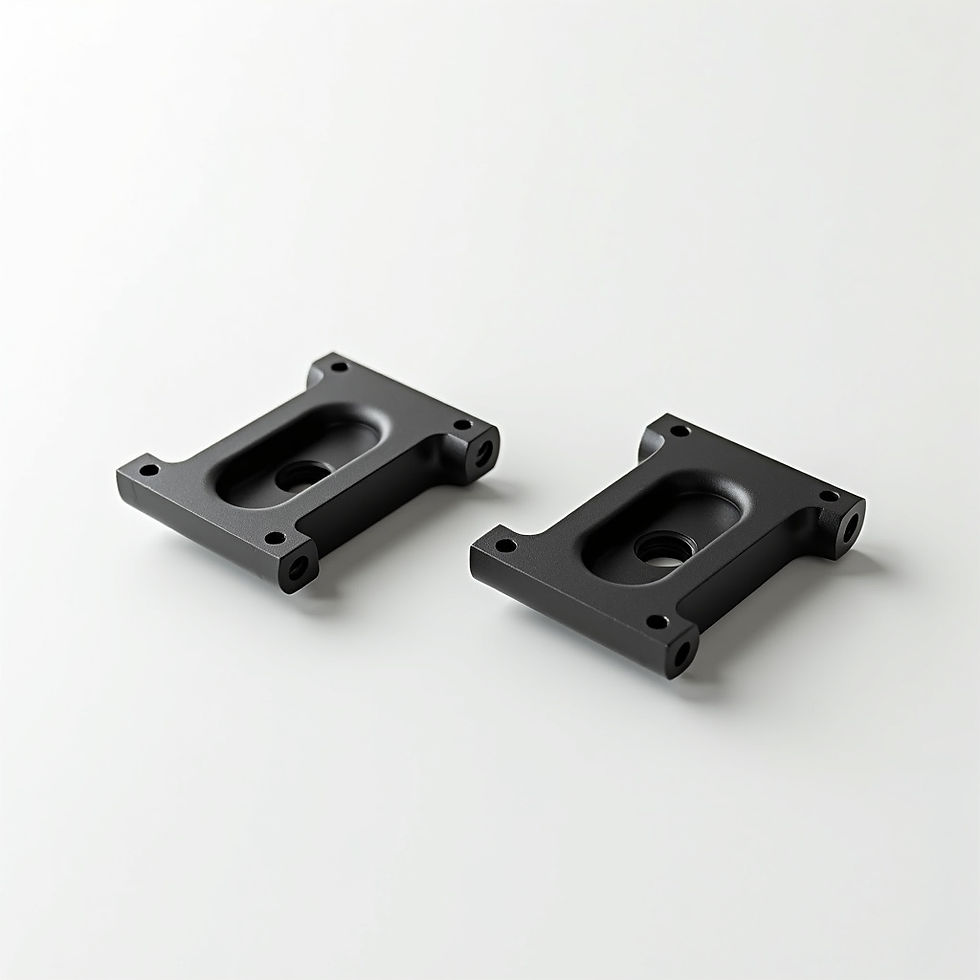
Reinforcement Plates: Steel or aluminum plates designed for your specific vehicle.
Bolts and Nuts: High-strength fasteners to secure the reinforcement plates.
Welding Rods: If welding is part of your installation process.
Paint or Coating: To protect the reinforcement from rust and corrosion.
Step-by-Step Installation Process
Step 1: Prepare Your Vehicle
Before starting the installation, ensure your vehicle is parked on a flat surface and securely lifted using jack stands. This will provide you with the necessary clearance to work underneath the vehicle safely.
Step 2: Remove Existing Components
Depending on your vehicle, you may need to remove certain components to access the chassis. This could include:
Exhaust systems
Fuel tanks
Suspension components
Make sure to keep track of all bolts and parts removed for reinstallation later.
Step 3: Measure and Cut Reinforcement Plates
Using a measuring tape, determine the size of the reinforcement plates needed for your vehicle. Cut the plates to size using an angle grinder, ensuring clean edges for a proper fit.
Step 4: Position the Plates
Place the reinforcement plates in their designated positions on the chassis. Use clamps to hold them in place temporarily. Ensure that they fit snugly against the chassis without any gaps.
Step 5: Drill Holes for Fasteners
If your reinforcement plates require bolting, mark the locations for the holes on the chassis. Remove the plates and drill holes at the marked locations. Be sure to wear safety goggles during this process.
Step 6: Secure the Plates
Reposition the reinforcement plates and secure them using high-strength bolts and nuts. Tighten them to the manufacturer’s specifications to ensure a secure fit.
Step 7: Welding (If Necessary)
If your installation requires welding, now is the time to weld the plates in place. Ensure you have proper ventilation and wear appropriate safety gear. After welding, grind down any rough edges for a smooth finish.
Step 8: Reinstall Removed Components
Once the reinforcement plates are securely in place, reinstall any components that were removed earlier. Double-check that everything is tightened and secure.
Step 9: Final Inspection
Before lowering your vehicle, conduct a thorough inspection of the installation. Ensure that all bolts are tightened, and there are no loose parts.
Safety Considerations
Safety should always be your top priority when working on your vehicle. Here are some key safety tips to keep in mind:
Wear Protective Gear: Always wear gloves, goggles, and a mask when working with power tools and welding equipment.
Work in a Well-Ventilated Area: If welding, ensure you are in a space with adequate ventilation to avoid inhaling harmful fumes.
Use Proper Lifting Techniques: When lifting heavy components, use proper techniques to avoid injury.
Common Mistakes to Avoid
Even experienced mechanics can make mistakes during chassis reinforcement installation. Here are some common pitfalls to watch out for:
Skipping Measurements: Always measure twice before cutting or drilling to avoid costly mistakes.
Neglecting Safety: Never compromise on safety gear, even for small jobs.
Using Inadequate Materials: Ensure that all materials used are of high quality and suitable for your vehicle.
Maintenance After Installation
Once your chassis reinforcement is complete, regular maintenance is essential to ensure its longevity. Here are some tips:
Inspect Regularly: Check the reinforcement plates and fasteners periodically for signs of wear or damage.
Keep It Clean: Regularly clean the chassis to prevent rust and corrosion.
Address Issues Promptly: If you notice any issues, such as loose bolts or cracks, address them immediately to avoid further damage.
Conclusion
Installing chassis reinforcement can significantly enhance your vehicle's performance and safety. By following the steps outlined in this guide and taking the necessary precautions, you can successfully complete this project. Remember to prioritize safety, use quality materials, and conduct regular maintenance to ensure your vehicle remains in top condition.
Take the plunge and reinforce your chassis today for a safer and more enjoyable driving experience!
Comments