
New Chassis Upgrades for the MK8 Golf GTI

The MK8 Golf GTI already has the bones of a great driver’s car. It is quick, composed, practical, and sharp enough to make a back road feel interesting without turning the daily commute into a chore. Still, anyone who has spent time pushing the car knows there is room to make it feel more planted, more responsive, and more connected.
That is where the next wave of chassis-focused upgrades comes in.
New parts are coming for the MK8 Golf GTI, including full chassis kits, sway bars, and intake kits. Together, these upgrades target the areas owners tend to notice most: body control, front-end response, rear rotation, engine sound, and the overall feel of the car when it is driven with intent.
These are not just parts for chasing lap times. They can make the GTI feel tighter on the street, more predictable in corners, and more rewarding every time the road opens up.

Why chassis upgrades matter on the MK8 GTI
The GTI has always been about balance. It is not the most powerful hot hatch, and it does not need to be. Its appeal comes from how it mixes speed, steering feel, usable space, and everyday comfort.
The MK8 generation carries that formula forward, but modern cars also bring more weight, more refinement, and more electronic control. That can make the car feel calmer and more polished, which is great for daily use. For drivers who want a sharper edge, chassis parts help bring back some of that old-school hot hatch bite.
Good chassis upgrades do three main things:
Reduce excess movement
Less roll, pitch, and flex can make the car feel more stable when braking, turning, and changing direction.
Improve response
A better-supported chassis reacts faster to steering input and weight transfer.
Increase driver confidence
When the car feels consistent, it is easier to place exactly where intended.
The key is matching parts correctly. A single stiff part can help in one area and hurt another if the rest of the setup does not support it. That is why full chassis kits are especially interesting for the MK8 GTI. They can bring several matching components together rather than asking owners to guess their way through the upgrade path.
Full chassis kits bring the car together
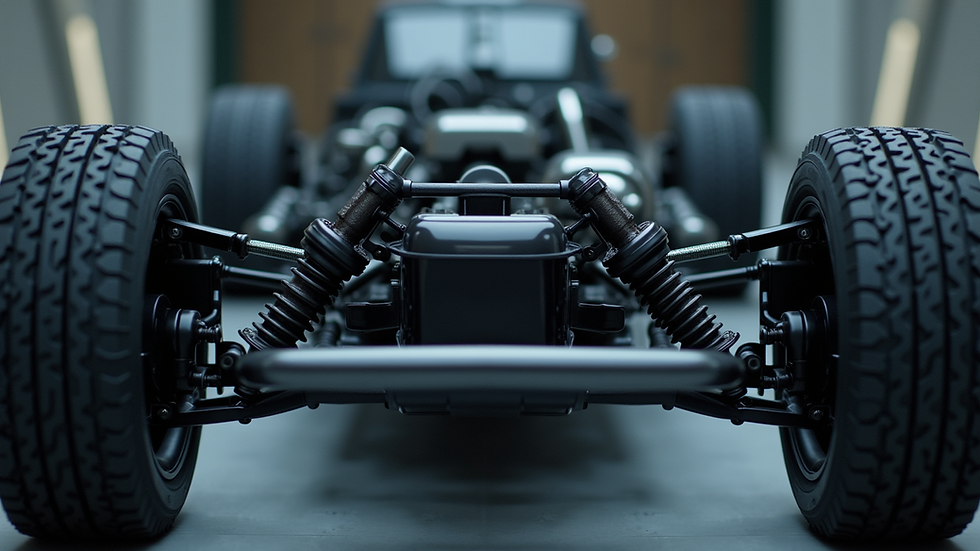
A full chassis kit is the most complete way to approach the car’s handling. Instead of upgrading one part at a time, a kit can address multiple weak points in the platform with parts designed to work as a system.
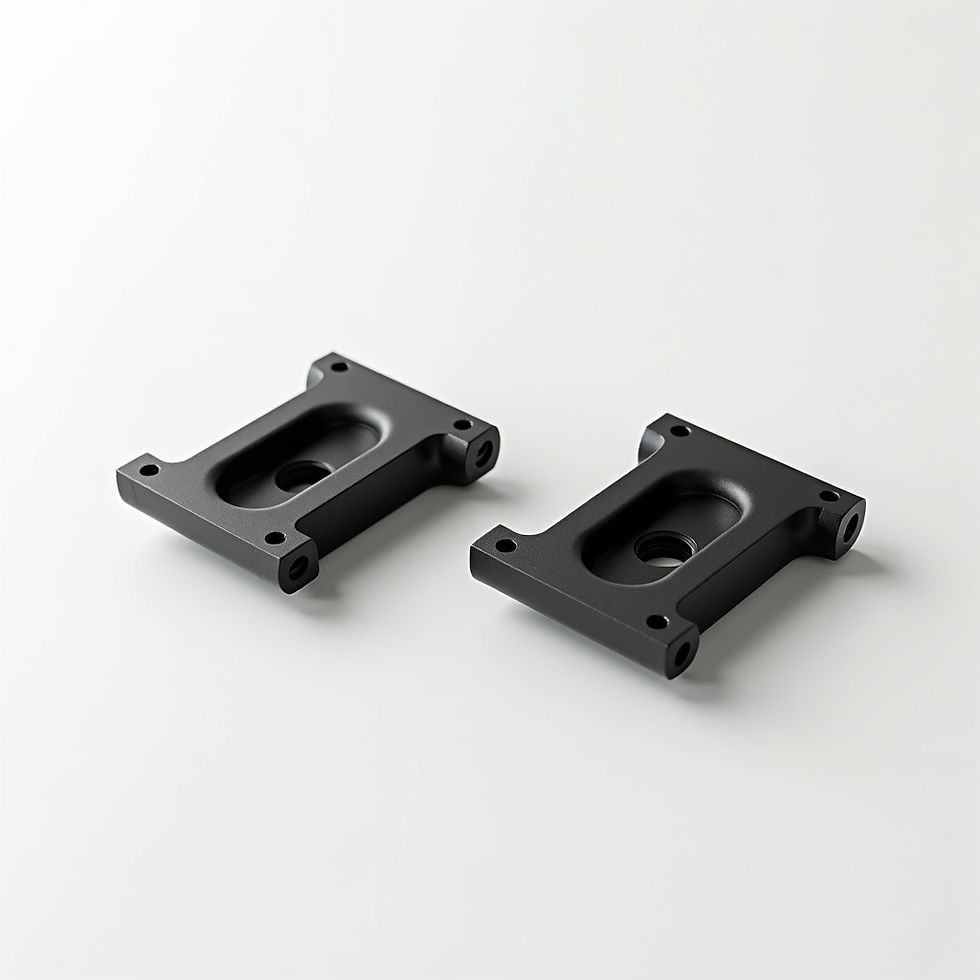
Depending on the final kit configuration, a chassis package may include parts such as braces, mounts, links, bushings, or other support hardware. The goal is not simply to make everything stiffer. The goal is to make the chassis communicate better.
A well-matched kit can help the MK8 GTI feel more unified. The front end responds more clearly, the rear follows with less delay, and the car feels less unsettled over quick transitions.
For street cars, this matters more than many people expect. Better chassis support can show up in small moments:
Turning into a freeway ramp with less hesitation
Feeling the rear of the car settle faster after a lane change
Braking into a corner without the body feeling vague
Getting more consistent feedback through the seat and steering wheel
That last point is a big one. Modern performance cars often filter out harshness, but they can also filter out useful feedback. A good chassis kit can restore some of that mechanical connection without turning the GTI into a track-only project.

What to look for in a full chassis kit
Not every kit serves the same driver. A street-focused kit should keep comfort in mind. A track-focused kit may trade more noise and harshness for precision.
The best setup depends on the car’s use. A daily driven GTI needs parts that handle potholes, weather, traffic, and long drives. A weekend canyon or track car can accept a firmer feel.
Before choosing a kit, look at the basics:
Upgrade priority | What it should improve | What to watch |
Street comfort | Stability without harshness | Too much noise or vibration |
Back-road driving | Faster response and better control | Overly stiff rear behavior |
Track use | Consistency under load | Tire wear and alignment needs |
Daily reliability | Strong materials and proper fitment | Cheap hardware or vague specs |
The strongest setup is not always the best setup. For most MK8 GTI owners, the sweet spot is a kit that tightens the car while keeping it usable every day.
Sway bars can change the car’s attitude
Sway bars are one of the most popular handling upgrades for GTI owners, and for good reason. They can make a clear difference without replacing the entire suspension.
A sway bar connects the left and right sides of the suspension. When the car corners, it helps control body roll. On a front-wheel-drive car like the GTI, sway bar tuning can also affect how the car rotates.
Many owners look at the rear sway bar first. A stiffer rear bar can help reduce understeer and make the car feel more willing to turn. That can make the GTI feel more playful, especially in slower corners where front-wheel-drive cars often push wide.
A front sway bar can also play a role, but it changes the balance in a different way. Depending on the rest of the setup, it can add stability and control, especially at higher speeds. The right choice depends on driving style, tire choice, spring rates, and alignment.
The main thing to avoid is thinking of sway bars as a one-size-fits-all upgrade. Bigger is not always better. A bar that feels great on smooth roads may feel nervous on rough pavement. Adjustable bars help because they give room to tune the balance after installation.

How sway bars affect everyday driving
A properly chosen sway bar can make the GTI feel flatter and more alert. The steering feels more direct because the body takes less time to settle. Quick direction changes feel cleaner. Long sweepers feel more secure.
There can be trade-offs. A very stiff rear setup may feel lively in a way some drivers enjoy, while others may find it less relaxed in rain or on uneven roads. Tire grip also matters. Chassis balance feels different on summer performance tires than it does on all-seasons.
Pairing sway bars with quality end links and correct installation is also important. Loose hardware, poor adjustment, or mismatched links can cause noise and unpredictable behavior. The bar itself gets the attention, but the supporting parts help it work properly.
For a street-driven MK8 GTI, a balanced sway bar setup should make the car feel sharper without making it twitchy.
Intake kits add sound and sharper breathing
Intake kits sit in a different category from chassis parts, but they fit naturally into the same upgrade wave. While chassis parts change how the MK8 GTI moves, an intake changes how the engine feels and sounds.
The factory intake on a modern GTI is designed for quiet operation, durability, emissions compliance, and broad usability. That is exactly what it should do. An aftermarket intake kit usually aims to increase airflow potential and bring more intake sound into the cabin.
For many owners, the sound is the main reward. Turbocharged engines can feel more alive when the intake lets in more induction noise. The turbo spool becomes easier to hear, and throttle inputs feel more engaging.
Performance gains from an intake can vary based on the design, engine tuning, temperature control, and supporting modifications. On a stock or lightly modified car, the biggest difference may be feel and sound rather than a dramatic power change. With more tuning and supporting parts, intake flow can become more important.
That makes design quality critical.
A good intake kit should focus on:
Heat management
Cooler intake air is important. Shielding and placement matter.
Smooth airflow
The path to the turbo should reduce restriction without creating turbulence.
Secure fitment
Clamps, couplers, brackets, and sensors should install cleanly.
Serviceability
Filters should be easy to inspect, clean, or replace.

Open intake versus closed intake
Most intake kits fall into two broad styles. Open intakes expose the filter and often deliver more sound. Closed or sealed intakes place the filter inside an airbox or covered housing, which may help manage heat and keep the setup quieter.
Neither style is automatically better for every build.
Open intake
More turbo and induction sound, often more visual impact in the engine bay. Best for owners who want more character.
Closed intake
More contained design, often better suited for heat control and a factory-like appearance. Best for owners who want a quieter setup.
For a daily driven GTI, the best intake is one that fits well, seals correctly, and does not create drivability issues. Sound is part of the fun, but reliability should stay at the center of the decision.
How these upgrades work together
The most satisfying MK8 GTI builds usually follow a plan. Chassis parts, sway bars, and intake kits can each improve the car, but they should match the driver’s goals.
A daily street build may start with a rear sway bar, quality tires, and a mild intake. That keeps the car comfortable while adding response and sound. A more serious back-road build may add a full chassis kit and adjustable sway bars for better control. A track-focused setup may also need alignment changes, brake upgrades, and tire planning.
The order matters less than the theme. Each part should support the same goal.
If the goal is a sharper street car, avoid making it too stiff. If the goal is track consistency, accept that comfort may change. If the goal is more engagement, an intake and balanced chassis parts can make the car feel more alive without chasing maximum horsepower.
A sensible upgrade path might look like this:
Start with tires and maintenance.
Add a rear sway bar for sharper rotation.
Install supporting chassis parts for better structure and feel.
Add an intake kit for sound and airflow.
Fine-tune alignment after suspension or chassis work.
That path keeps the car balanced and avoids the common trap of adding parts before the foundation is ready.
What owners should prepare for before installing
Before new parts arrive, it helps to check the condition of the car. Even a newer MK8 GTI can have wear items, alignment issues, or previous modifications that affect how upgrades perform.
Start with the basics. Make sure the tires are in good shape and properly inflated. Check that the suspension is healthy. Listen for clunks, rattles, or loose hardware. If the car already has lowering springs or coilovers, that will affect sway bar and chassis kit choices.
Installation quality matters as much as the parts themselves. Chassis components often need correct torque specs. Sway bars may require careful end link adjustment. Intake kits need secure clamps, clean sensor placement, and proper filter seating.
After installation, give the car time to settle. Recheck hardware after some driving, especially with suspension-related parts. If the steering wheel sits off-center or the car feels unusual, schedule an alignment.

Good upgrades should make the GTI feel better right away. They should not introduce mystery noises, poor fitment, or unpredictable handling. Taking the time to install and check everything properly keeps the car enjoyable.
The takeaway for MK8 GTI chassis upgrades
The new wave of MK8 GTI parts is exciting because it focuses on what makes the car special. Power is fun, but the GTI has always been at its best when the whole car feels connected.
Full chassis kits can tighten the platform and improve feedback. Sway bars can sharpen body control and help tune the car’s balance. Intake kits can bring more sound, character, and breathing room to the engine bay.
The best results will come from matching the parts to the way the car is actually used. A street car should stay comfortable and predictable. A weekend driver can take a more aggressive approach. A track car needs a complete plan that includes tires, brakes, alignment, and cooling.
For the MK8 Golf GTI, these upgrades point in the right direction. They build on the car’s strengths rather than trying to turn it into something else. With the right setup, the GTI can feel sharper, flatter, more responsive, and more alive, while still being the practical hot hatch that made it appealing in the first place.
Comments